
How to Fix Mould-Damaged Ceilings Before Painting
Mould-damaged ceilings should not simply be painted over. Moisture, staining, surface damage, and ventilation issues need to be addressed first.
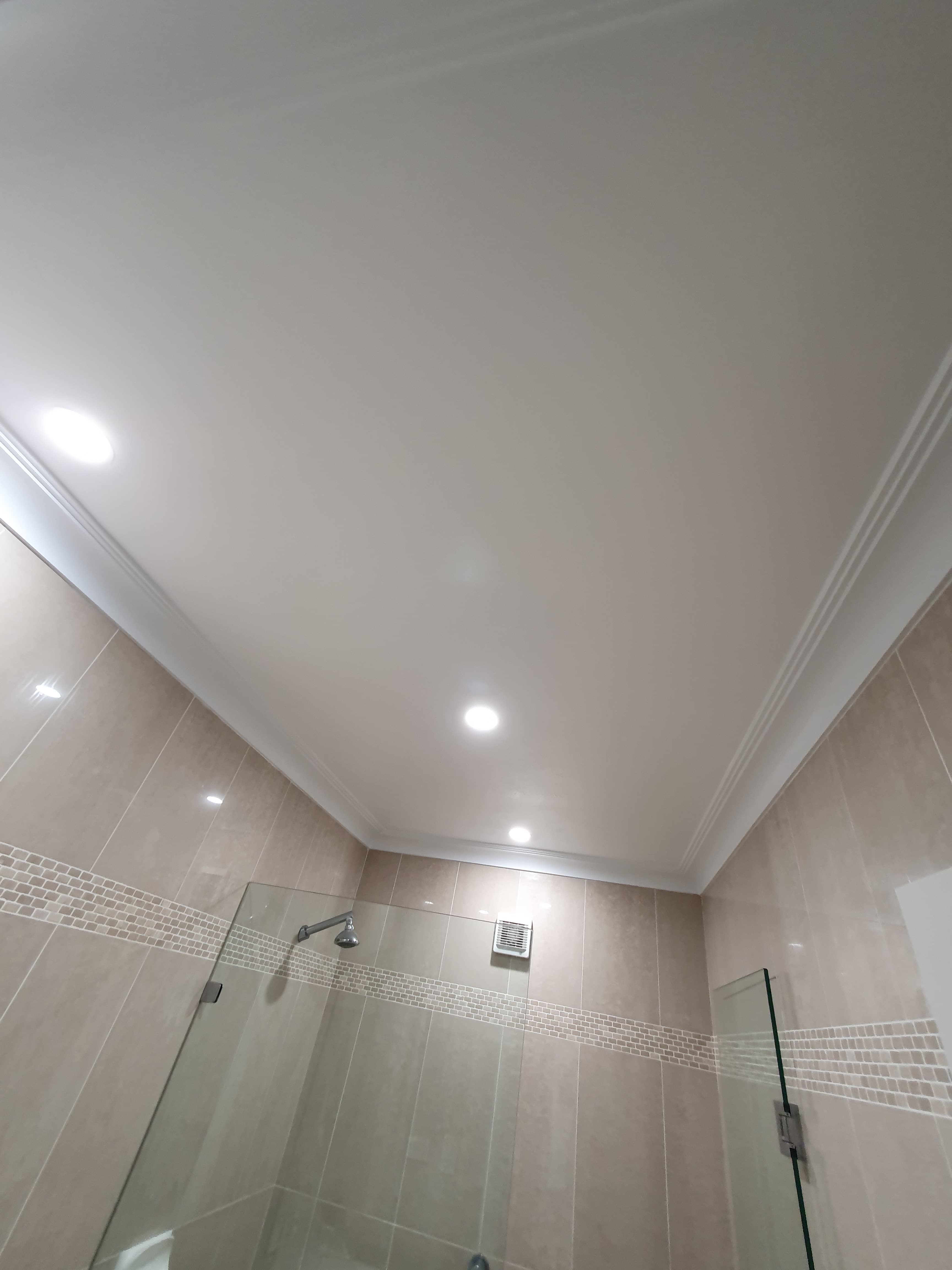
Find the moisture source first
Before repainting, the cause of mould or staining should be understood. Common issues include roof leaks, bathroom ventilation problems, condensation, or previous water damage.
Painting over active moisture can lead to stains returning, peeling paint, and recurring mould marks.
Prepare and seal the affected area
Once the source is resolved, the ceiling may need cleaning, surface repairs, sanding, stain blocking, and a suitable primer before repainting.
Badly affected plaster, flaking paint, or soft ceiling areas may need repair before any finish coat is applied.
Choose the right repaint system
Ceiling repainting after mould damage often needs more than standard ceiling paint. The coating system should suit the room, ventilation, and surface condition.
F&S Painting offers mould-damaged ceiling restoration and ceiling repainting for Sydney homes where careful preparation is needed before the final finish.
Do not disturb a large or uncertain mould problem
Small surface marks and widespread mould are not the same job. If the affected area is extensive, the ceiling feels soft, there is a strong persistent odour, occupants have health concerns, or the source is unknown, seek suitable building, moisture, or mould-remediation advice before sanding or scraping.
Dry sanding or aggressive cleaning can spread dust and spores. The work method should suit the size of the problem, the ceiling material, and the condition of the coating. Painting is the finishing stage, not the first response to an active moisture problem.
Common causes need different repairs
Bathroom condensation may point to weak extraction or insufficient airflow. A local brown stain may indicate a roof or plumbing leak. Mould around an external corner can relate to a cold surface and condensation, while repeated blistering may mean moisture is moving through the substrate.
The ceiling should be dry and stable before coating. A roofer, plumber, electrician, builder, or ventilation specialist may need to correct the source first. Keeping photos and dates can help identify whether the mark is growing or returning after weather or shower use.
- Roof or flashing leaks above the affected area.
- Plumbing leaks from an upper level or roof space.
- Insufficient bathroom extraction or blocked ventilation.
- Condensation on a cold ceiling or poorly insulated area.
- Previous water damage that was painted before it fully dried.
The ceiling must be clean, sound, and dry
Once the moisture source is corrected, loose or failed coating may need to be removed carefully. Damaged plaster should be repaired, edges feathered, and the surface prepared so the repair does not remain visible through the final coat.
Water stains may require a suitable stain-blocking primer. Bare or repaired areas may also need priming before the ceiling finish is applied. The exact products should be compatible with the substrate and the cause of the previous failure.
Why simply using mould-resistant paint can fail
Mould-resistant paint can support maintenance in suitable rooms, but it cannot dry a wet ceiling, fix a leak, improve a non-working exhaust fan, or stabilise soft plaster. If contamination or staining remains beneath the coating, marks and adhesion problems may return.
The better sequence is source correction, safe cleaning or remediation where required, drying, repairs, sealing or priming, and then the finish coats. Ventilation and regular cleaning still matter after the repaint is complete.
What to include when requesting a ceiling restoration quote
Share the room type, approximate affected area, how long the problem has been visible, whether it changes after rain or shower use, any known leak repairs, and clear photos in natural light. Mention peeling, soft plaster, odour, cracking, and previous repaint attempts.
F&S Painting can assess preparation and repainting after the moisture cause has been addressed. Where the condition appears outside normal painting work, we will recommend that the appropriate repair or remediation is completed before a coating quote proceeds.
Frequently asked questions about mould-damaged ceilings
Can mould simply be sealed with primer? Primer may block some stains after the source is corrected and the surface is properly cleaned and prepared, but it should not be used to hide active moisture or untreated contamination.
How do I know the ceiling is dry? The cause should be repaired and the area allowed to dry fully. Where moisture is uncertain or damage is recurring, a suitable building or moisture professional may need to test it before coating work begins.
Will mould-resistant paint stop mould permanently? No coating can guarantee that. Ventilation, moisture control, cleaning, insulation, and leak prevention remain important. The paint system supports the repaired room; it does not replace those controls.
When is plaster replacement needed? Soft, sagging, crumbling, delaminated, or extensively damaged plaster may need repair or replacement. A painter should not apply finish coats until the substrate is stable and suitable for painting.
How soon can the ceiling be repainted after a leak? The repair must be complete and the ceiling must be dry; elapsed time alone is not a reliable test. Weather, insulation, ceiling material, and the amount of water all affect drying. Rushing this step can trap moisture and allow staining or coating failure to return.
What should happen after repainting? Keep ventilation working, clean condensation when it appears, and watch the repaired area after heavy rain or periods of high humidity. If marks return, investigate the source again rather than repeatedly covering the same area with another coat.
Can the room be used immediately? Follow the product's drying and curing guidance, keep ventilation operating, and avoid heavy steam or cleaning until the coating has hardened sufficiently. The painter can explain when normal bathroom or room use should resume for the selected system.
Need painting advice for your property?
F&S Painting provides residential painting, interior painting, ceiling repainting, and mould-damaged ceiling restoration across Sydney.
Get a Free Quote