
Why Painting Your Home Is Worth It
A well-painted home can brighten everyday living, protect surfaces, and create a polished finish without a major renovation.
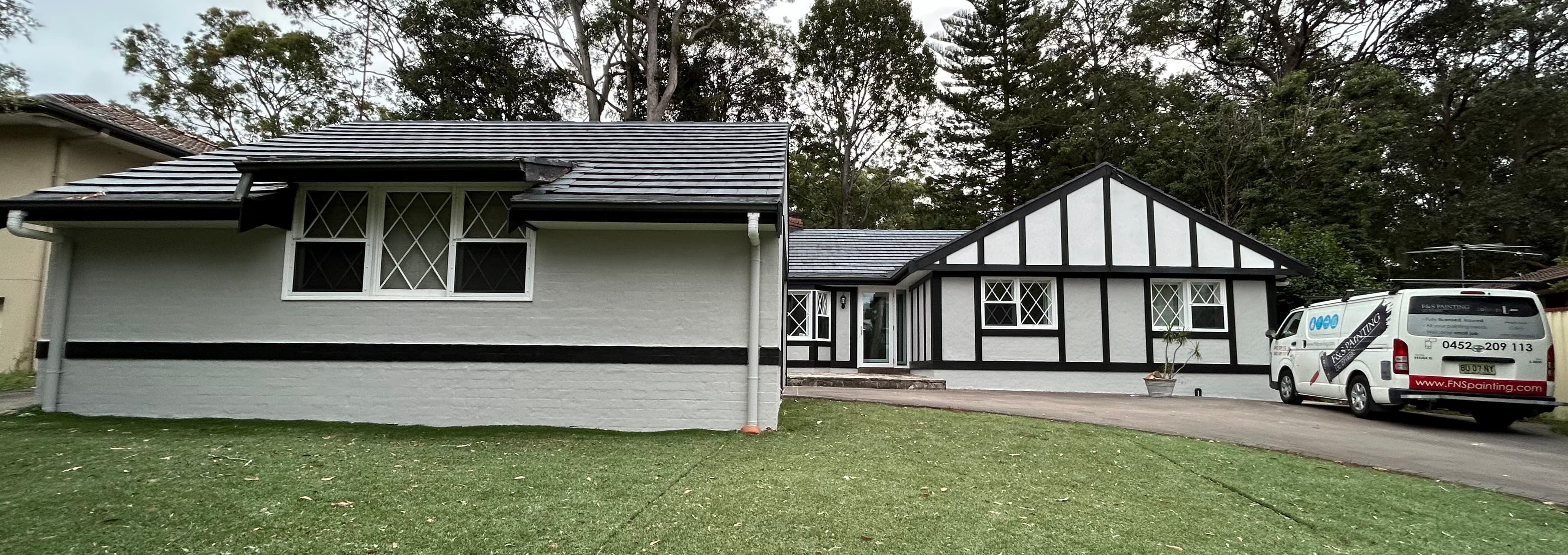
A fresh coat changes how a home feels
A well-painted home does more than look appealing. It sets the tone for the entire space, creating an atmosphere that feels polished, comfortable, and thoughtfully maintained.
Fresh paint can instantly brighten a room, refresh tired surfaces, and bring new energy into everyday living. It is one of the simplest ways to make a home feel more refined without undertaking a major renovation.
Paint also protects your surfaces
Beyond appearance, paint plays an important role in protecting your walls and surfaces. Over time, homes naturally show signs of wear, but a quality finish can help preserve them while maintaining a clean and cared-for look.
The right colour choice can also influence how a room feels, making it appear more spacious, warm, or inviting depending on your style and needs.
A practical update with lasting impact
For homeowners who want a meaningful update with lasting impact, painting remains a smart and stylish solution. It combines practicality with design, offering a finish that feels both timeless and personal.
Whether you are preparing to refresh a single room or reimagine your entire home, a fresh coat of paint can make all the difference.
It can solve several small problems at once
A repaint is often chosen for colour, but the work also provides an opportunity to address everyday wear. Small dents, picture-hook holes, open gaps, scuffed corners, faded patches, and uneven previous touch-ups can be prepared before the new finish is applied.
When these details are handled together, the improvement feels more complete than changing colour alone. The room becomes easier to clean, the edges look more consistent, and older repairs are less likely to draw attention under natural or artificial light.
Interior paint should match how the room is used
Bedrooms and formal living spaces may suit a soft matte or low-sheen appearance, while hallways, family rooms, kitchens, laundries, doors, and trims usually need a more washable or durable coating. The correct product depends on the surface, light, ventilation, and expected cleaning.
Using one paint everywhere can create avoidable maintenance. A professional specification may combine ceiling paint, washable wall paint, moisture-resistant products where appropriate, and harder-wearing enamel for timberwork and doors.
- Ceilings: a flat finish that limits glare and hides minor texture.
- Living areas and bedrooms: washable matte or low sheen, depending on use.
- Kitchens and laundries: durable coatings suited to cleaning and moisture.
- Doors, frames, and skirtings: a tougher enamel finish for contact points.
Exterior painting is also protective maintenance
Exterior coatings help protect timber, render, masonry, metal, and other prepared surfaces from sun, rain, and normal weathering. Peeling or cracked paint can allow moisture to reach the material below, particularly around windows, fascia, eaves, doors, and exposed timber details.
Repainting before widespread coating failure can reduce the amount of scraping and repair required later. The timing will vary with exposure, surface type, previous preparation, and product quality, so inspect high-weather areas rather than relying on a fixed number of years.
Good preparation supports a longer-lasting result
The visible finish is only the final part of the process. Protection, cleaning, scraping, sanding, patching, gap filling, spot priming, stain sealing, and dust removal may all be required before paint is applied. Skipping these steps can shorten the life of even a premium product.
A clear quote should state which surfaces are included, what repairs and preparation are allowed for, the paint system, and whether ceilings, doors, windows, frames, skirtings, or exterior access equipment are included. This makes different quotes easier to compare fairly.
Plan the project around the way you live
For an occupied home, painting can often be staged by room or level so that the whole property is not disrupted at once. Before work starts, discuss furniture movement, access, pets, working hours, drying time, and which areas need to remain usable.
If you are renovating, schedule painting after dusty building work but before final styling and move-in where possible. For a rental or sale property, an empty period may allow faster access to walls, doors, and trims. The most worthwhile plan is the one that delivers the needed finish without unnecessary scope or avoidable disruption.
Common questions before repainting a home
How often should a home be repainted? There is no universal schedule. Inspect fading, chalking, peeling, cracks, stains, loss of washability, and exposed timber. Sun, moisture, room use, previous preparation, and product quality all affect timing.
Can only marked areas be touched up? Sometimes, but touch-ups can flash or show a colour difference because the existing coating has aged. On prominent walls, painting from corner to corner often produces a more even appearance.
Do occupants need to leave? Many interior projects can be staged while the home is occupied. Discuss ventilation, furniture movement, pets, children, access, and which rooms must remain available before the work starts.
Is premium paint enough by itself? No. A quality coating performs best on a clean, sound, correctly prepared and primed surface. Product choice and preparation need to work together.
What should be decided before the painter arrives? Confirm the areas, colours, finishes, access, furniture plan, and any known repairs. Early decisions reduce delays and make it easier to keep one consistent result across connected rooms.
Can repainting be completed in stages? Yes. Many homeowners begin with ceilings and main living areas, then continue with bedrooms or exterior work later. Ask the painter to plan sensible stopping points so edges, colour batches, access, and furniture movement remain manageable between stages.
Need painting advice for your property?
F&S Painting provides residential painting, interior painting, ceiling repainting, and mould-damaged ceiling restoration across Sydney.
Get a Free Quote